
Street Tree Smarts

When an avid, but amateur, gardener takes on planting in Brooklyn's street tree beds, mistakes are definitely going to be made. And in the 5 years that the South Midwood Pollinators have been doing this, I have made dozens. But gardeners learn from the mistakes and here is some of what my mistakes have taught me.

People respect Flowers
When I started our work on the Foster Avenue Greenway project, winter structure - i.e. evergreen plants - were front of mind. But once the daffodils finished blooming that first spring, dog waste and general destruction ramped up again. I learned - put flowering forbs first.
Plant in the Fall
Volunteer enthusiasm for planting in the spring is boundless but sadly, spring is followed by summer which means high temperatures, often little rain and volunteers on vacation. Planting in the fall allows nature to do more of the plant care.

Tree Guards are Essential
At least in our rather urban corner of Brooklyn, some sort of protection for plants has been essential. Doesn't need to be fancy or expensive. Some of my favorites are fashioned from downed tree limbs maneuvered into fencing.

Watering is the Key to Survival
Regularly watering newly planted perennials and providing water to established beds during high temps and summer droughts has been the difference for us between success and failure. It is also been the hardest to organize and maintain. However you manage it, the old maxim for new plantings is a good goal: water once a day for a week and once a week for a month and once a month for a year. Droughts make their own rules.
Mulch Early and Often
in the fall of 2025, we wound up with too much mulch so we distributed the excess on trees to be planted the next year. Imagine our surprise when those previously mulched beds were not only pliable, unlike the "concrete" soil we are used, it even had earthworms by October 2026.

More is More
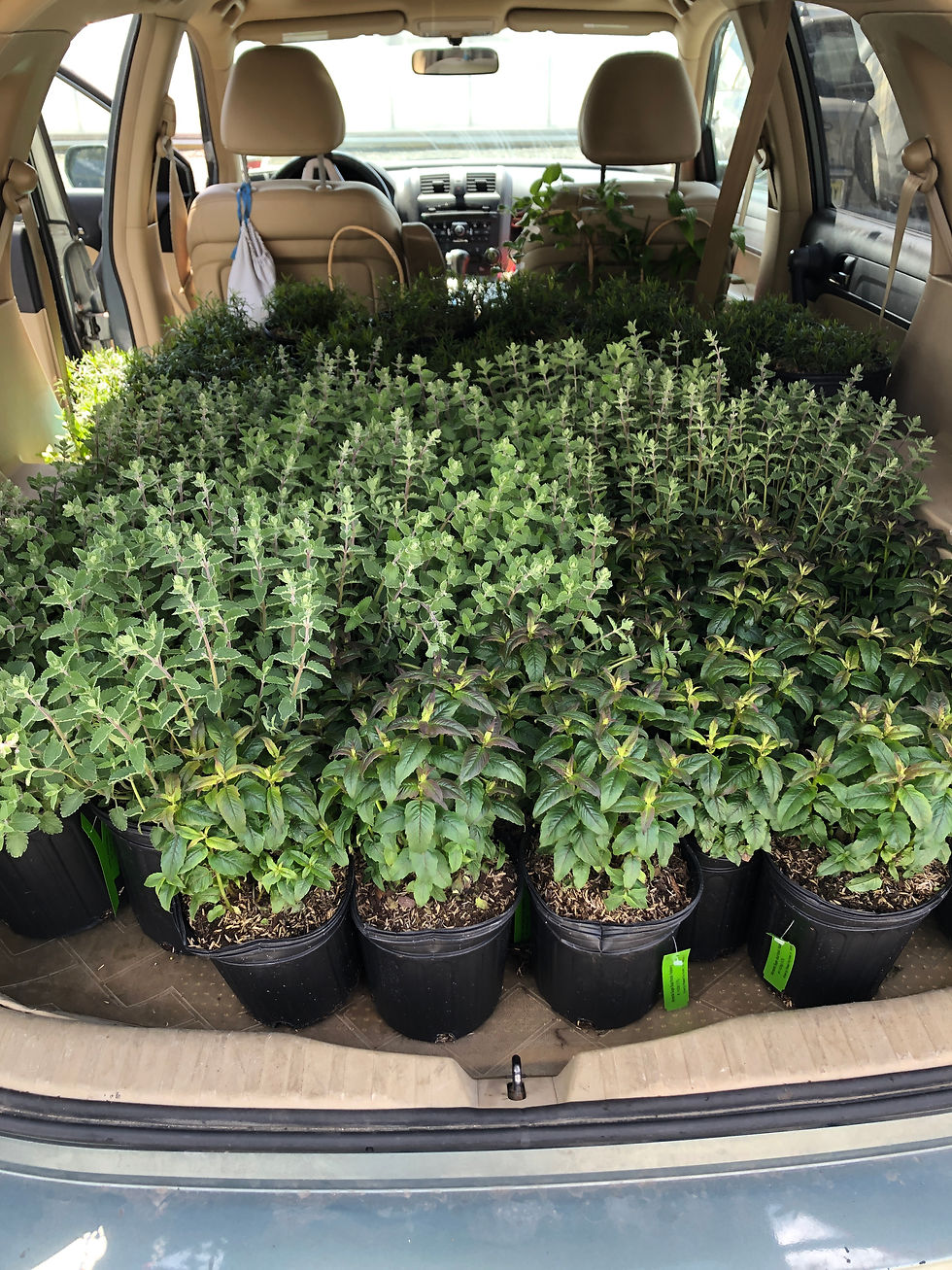
If you are a thrifty home gardener, you may struggle to understand that public spaces need a LOT of plants. I certainly did. Some will inevitably not make it. People and dogs are less likely to respect a sparsely planted bed. Propagating plants using the Milk Jug method, seeding pollinator friendly annuals like Cosmos or Verbena bonarensis, taking advantage of plant swaps and giveaways are all ways of doing this on a budget.
Plant in Clumps
Pollinators need to find your flowers in order to feed on them. Neighbors are more likely to appreciate a blooming patch of Black Eyed Susans or Asters than a single flower here there. We now plant our perennials in groups of three or more within a bed.

A Garden Knife can be your Best Friend
Trowels and even transplant shovels are no match for the rooty bed of a mature tree. Whether you are aerating soil or planting, a Garden Knife or Hori can lever into the soil and find space to plant. We NEVER cut roots thicker than a pencil but a few tiny hair roots can be replanted or even cut without hurting the tree.
Water (and Compost) Runs Downhill
When a tree bed is higher than the curb, needed water drains into the street and mulch washes away during heavy rains. We have found that a slightly raised edging (pavers/stones/wood/steel) dug in next to the curb makes a huge difference.
Discourage Dogs

We use signage in multiple languages, gentle conversations and string barriers by the curb to hopefully train dog owners and their canine companions to find another spot. Be prepared for it to take time. Now in its third year, Foster Avenue Greenway blocks have seen a massive decrease in dog poop in our planted beds. May it ever be so.
Plant Deep Enough
Tree beds are naturally filled with roots and getting young plants in deep enough is challenging, especially for new gardeners. Just how challenging came as a surprise to me in our first big planting year when many lovely perennial plugs had an inch of root zone above the soil and therefor did not survive.
Pairing more experienced gardeners with newbies, providing Horis and demonstrating how to dig a wider hole and split a root ball have helped.
Let Nature do the Work
In our experience nature wants to heal itself. Aerating the soil, adding compost or mulch or leaves, especially when left to overwinter, helps trees and allows the soil to start a comeback. The job of planting is also infinitely easier as is watering.
Street Gardening is not One and Done
Whether it's weeding, watering, picking up litter, cutting back the overly ambitious, tree bed plantings require regular care to thrive. For the Pollinators, establishing our Green Team as a monthly work morning has been easier and more productive than sporadically calling for volunteers.
Litter breds Litter

Sadly, a tree guard looks like a waste basket to too many of our fellow citizens. The more you can keep your beds (relatively) litter free, the less litter you are likely to find there. Long handled grabbers are inexpensive and make the job faster and easier and more fun.
Stay tuned for more adventures in street gardening challenges and DIY strategies.
Virginia Levie


Comments